
Seven-Year Cycles · the wave of life’s phases · 21–42 years · 4th to 6th cycles
Adults: where are you swimming?
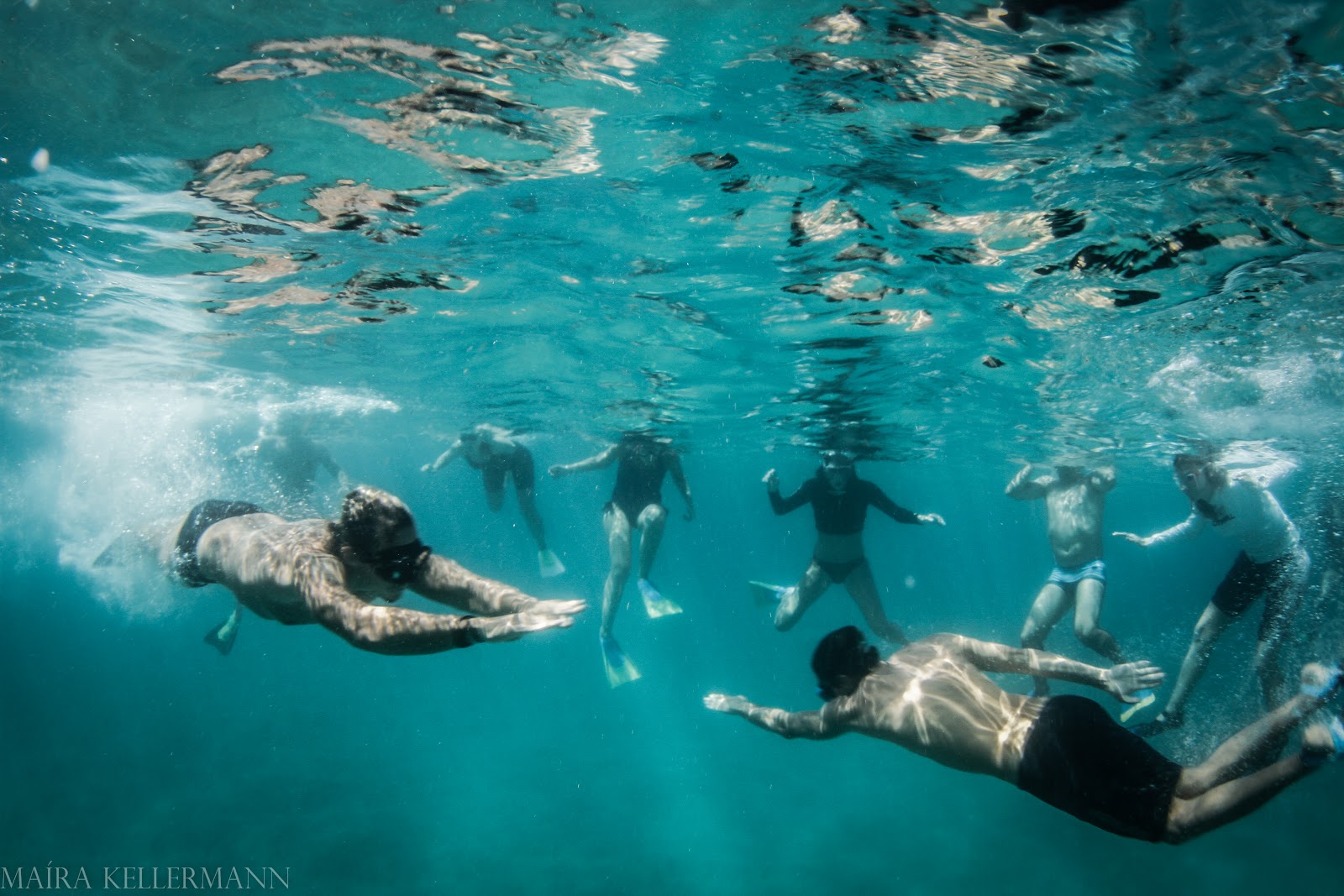
Here we write the central chapters of the biography — many of them on autopilot. The immersion is a fertile pause: purpose, presence, and the question the sea gives back — where are you swimming?
The seven-year cycle, from within
From 21 to 42, the biography calls for building: career, relationships, home, children, reputation. It’s the phase in which we do the most — and ask why the least. Around 28 comes the first great review; near 35, the midpoint crossing, when what was once a map becomes a question.
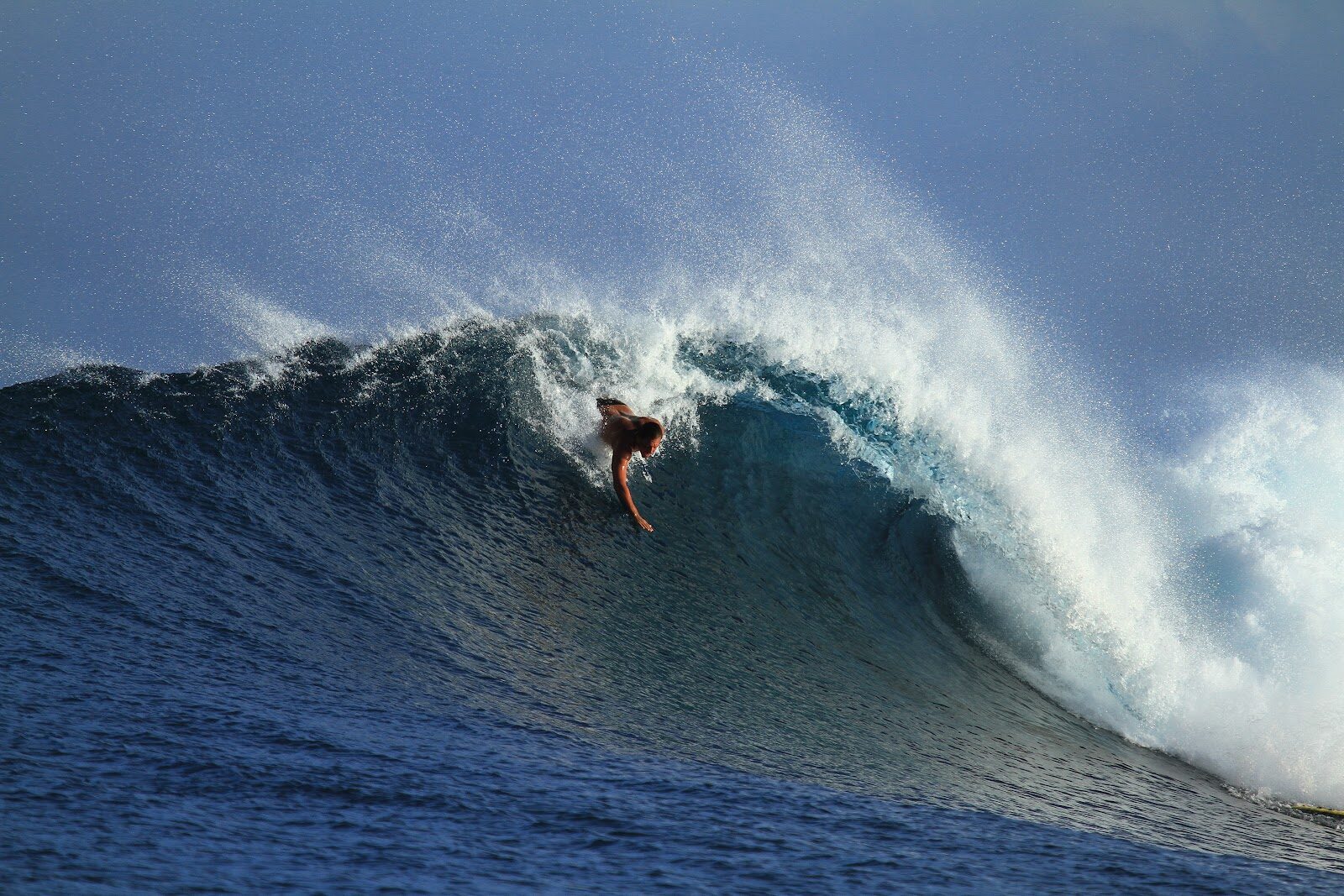
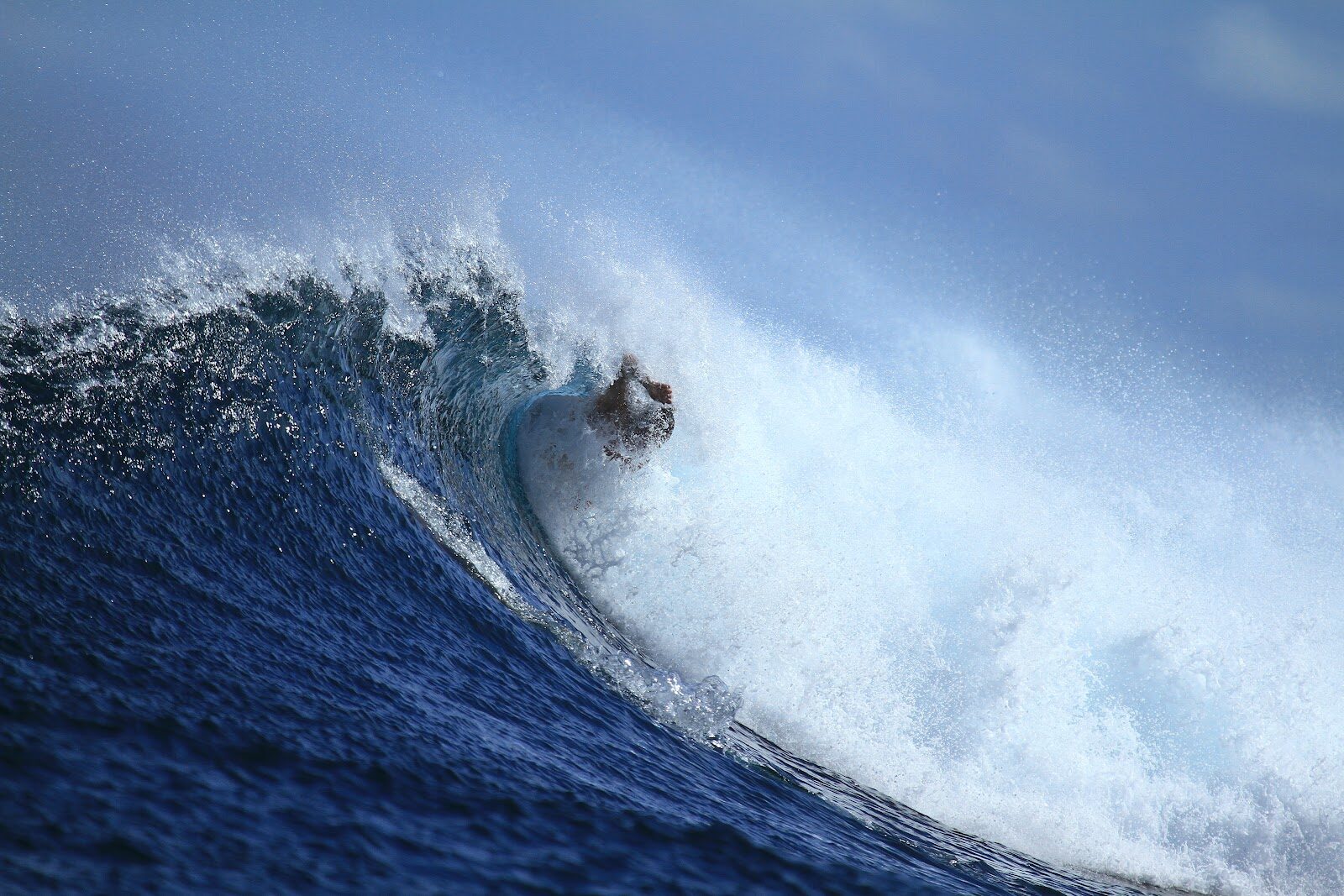
The sea is the perfect teacher for this phase because it doesn’t accept autopilot. Every wave demands a fresh reading; every tide, a different position. Aquacidade — maximum result, minimum effort — is the antidote to a life of brute force.
In the immersion, the IMUA Logbook turns experience into direction: what repeats, what asks to pass through, which seven-year cycle you’re crossing.
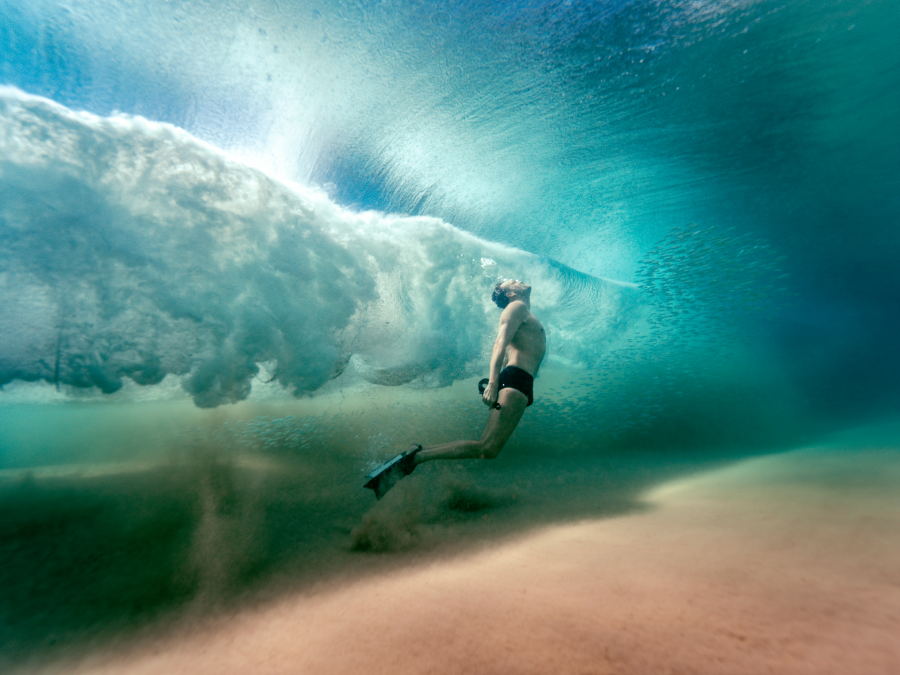
Reading the water is reading yourself — the fertile pause of the biography
Sea and Life
What the sea teaches in this phase
Flow instead of force
Becoming the wave instead of beating it: talents and passions working in your favor.
The right timing
The tide has its hour. Leave too early, and you fight; leave on time, and you fly.
Sustainable rhythm
Sleep, breath, energy: the body rediscovers its ancestral intelligence of pulse.
“Between crisis and maturity, the water teaches the rhythm adult life forgets.”Seven-Year Cycles — Adult Life
The Legend of the Golden Dolphin · Chapter III — Becoming the Wave
Adults, in the voice of the Fishman
~5 minutes
The serpent kept her promise: she taught him her secrets so he could find his way to himself. She taught him to surf, gliding along the walls of the waves, with all the speed he needed and without tiring in the least.
After many months, the dolphin surfed twisting like a serpent, gaining agility and learning to flow along the walls. The brute force of the alligators — the kind that beats the water with muscle — fell behind, gesture by gesture, like a skin that no longer fit.
· · ·
It was the old moray, from her crevice in the rock, who taught him timing: “Haste is waste. The tide has its hour. Leave too early, and you fight; leave on time, and you fly. Waiting, too, is movement.” And the turtle, the oldest of them all, finished the thought, slowly beating her flippers: “Let the current work for you. Don’t waste a stroke. Maximum result, minimum effort — this is what the ancients call Aquacidade.”
How many of us, between twenty-one and forty-two, swim the central chapters of the biography like alligators — on autopilot, with twice the force and half the grace? We build a home, a career, relationships, a reputation; and on some ordinary day, in the middle of the crossing, a serpent crosses our path and laughs: you can be anything, except what you’re pretending to be.
· · ·
But when he looked at the alligators, he felt he no longer belonged to that group. So he decided to explore the oceans, and set out to conquer them, without knowing what he would find.
Fluidity is this: discovering the gift that makes time stop — and letting go, without guilt, of what we never were, to swim light in what we always were. It’s not abandoning the home that raised us; it’s thanking it and crossing on. The question the sea gives back to every adult who enters the water is simple and deep: where are you swimming?
Excerpt from the original legend written by Henrique Pistilli. Read the full extended legend · Continue the crossing: Children · Teens · Adults · Leaders · Wise Soul.
Ask the sea · from the IMUA Logbook
- In which area of your life are you swimming against the current — and why?
- Which of your talents makes time stop when you practice it?
- If your biography were a set of waves, which one is forming on the horizon?
IMUA Logbook — 72 pages of reflective exercises, since 1996. Free, request yours.
“Pausing is a revolutionary act.”IMUA · Escola do Mar · Noronha
Simbora?
I want my fertile pause
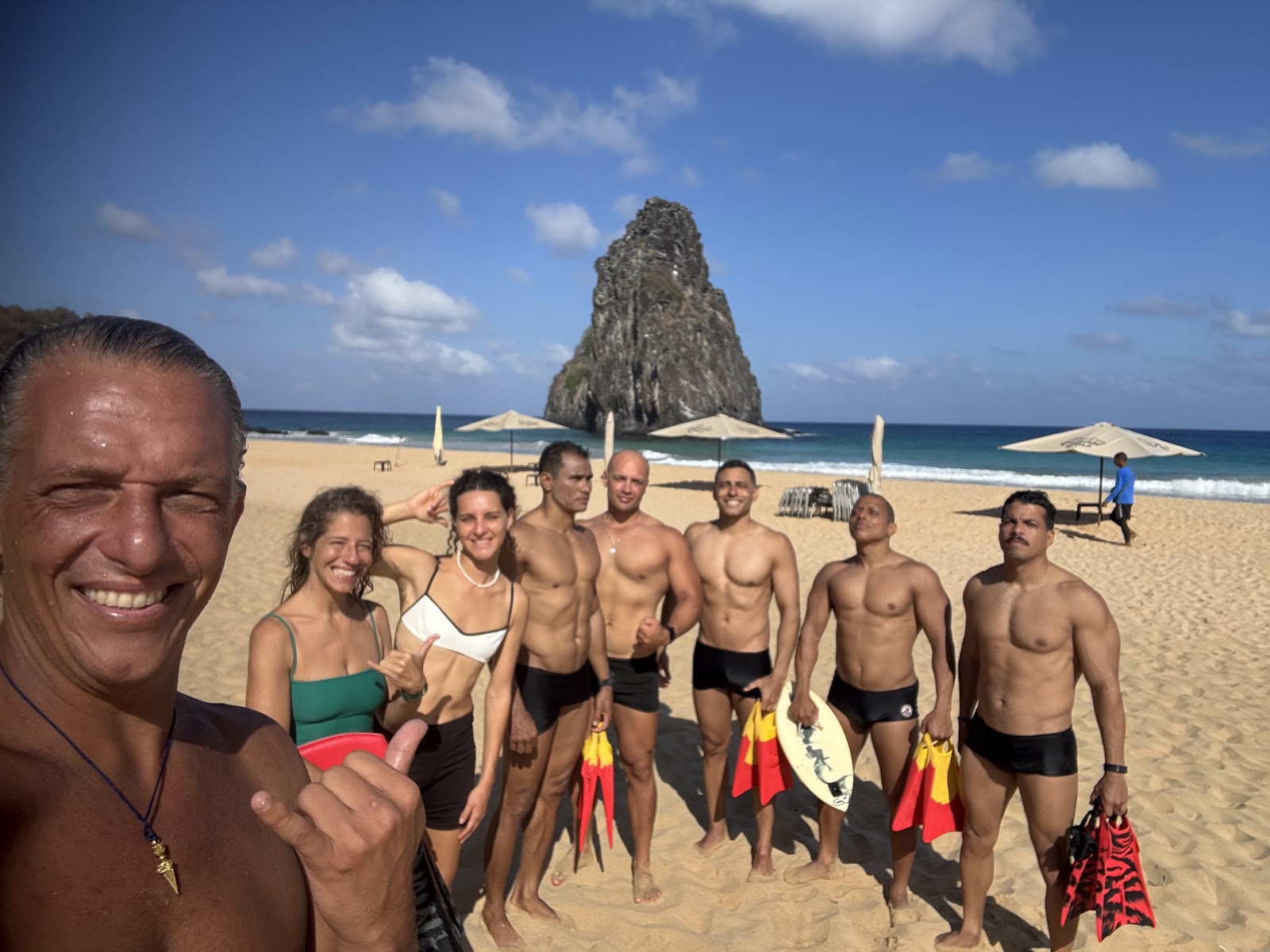
The Fishman Personalized Immersion includes online mentoring before and after, with the IMUA Logbook.